

Spay and Neuter Surgery from a Veterinarian Near You in El Sobrante, CA
Deciding to spay or neuter your pet isn’t just about preventing litters—it’s a long-term investment in their health and behavior. At Advanced Veterinary Medical Center, your veterinarian in El Sobrante, CA, we often talk to pet owners who are weighing the pros and cons of this decision. The truth is, this common veterinary procedure comes with a range of benefits that can help your pet live a longer, healthier life.
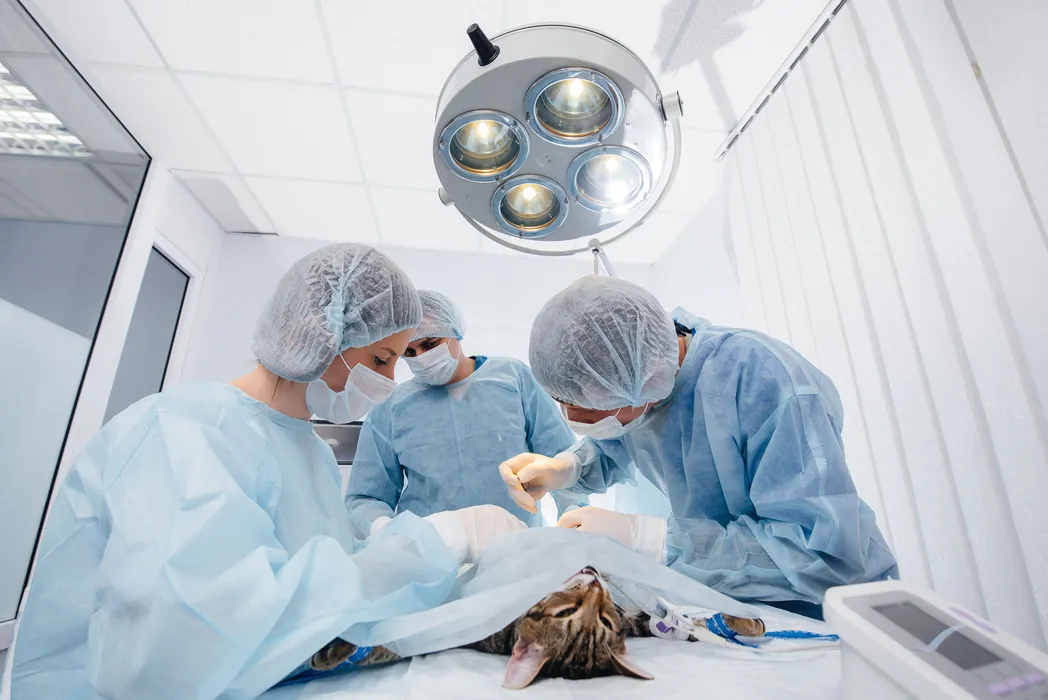
What Does Spay and Neuter Mean?
Spaying is the surgical removal of the ovaries and uterus in female animals, while neutering refers to the removal of the testicles in male animals. These procedures are done under anesthesia and typically involve a short recovery period. While it may sound invasive, they’re among the most frequently performed surgeries in veterinary medicine.
Health Benefits of Spaying and Neutering
There are medical reasons beyond population control that make these procedures worthwhile. Spaying helps prevent uterine infections and greatly reduces the risk of breast tumors, especially when done before the first heat cycle. Neutering male pets can help prevent testicular cancer and reduce the risk of prostate issues.
Additionally, these surgeries often lead to fewer hormone-driven behaviors, like roaming, spraying, howling, or aggression.
Addressing Common Concerns
One of the most common worries pet owners express is the fear their pet will gain weight after surgery. While spaying or neutering can slightly lower metabolism, weight gain can be avoided with proper diet and exercise. Think of it as adjusting your pet’s daily routine the same way you’d tweak your own after a lifestyle change.
Another question we hear often: Is it better to let a female pet go through one heat cycle before spaying? From a medical standpoint, it’s typically safer and more beneficial to spay before the first cycle. It drastically lowers the risk of certain cancers and avoids the complications that can come from going into heat.
Best Time for the Procedure
The ideal timing can vary depending on the species, breed, and overall health of your pet. Most dogs and cats are spayed or neutered between four and six months of age. However, your veterinarian may recommend a different schedule based on specific factors. It’s always best to talk with a vet who understands your pet’s unique situation.
Get Veterinary Care and Spay/Neuter Procedure/Surgery from a Veterinarian Near You
Spaying and neutering might seem like small steps, but they carry big consequences for your pet’s future well-being. At Advanced Veterinary Medical Center, your veterinarian in El Sobrante, CA, we look at it like closing the gate before the storm rolls in—it's a proactive way to protect your furry friend from preventable health and behavior issues. Call us at (510) 222-7387 for veterinary care and spay/neuter procedure/surgery from a veterinarian near you.
